

Financing
Flexible Ways to Make Solar Work for You
The right way to pay for solar depends on your budget, energy use, financial goals and how long you expect to remain in your home. That’s why Solar Panther doesn’t begin with a predetermined financing pitch.
We help you understand the available paths, compare the potential costs and benefits, and see how each option could affect your monthly expenses and long-term savings. Whether you choose to purchase your system outright, finance it over time or explore a solar lease, you’ll have the information you need to make a more confident decision.
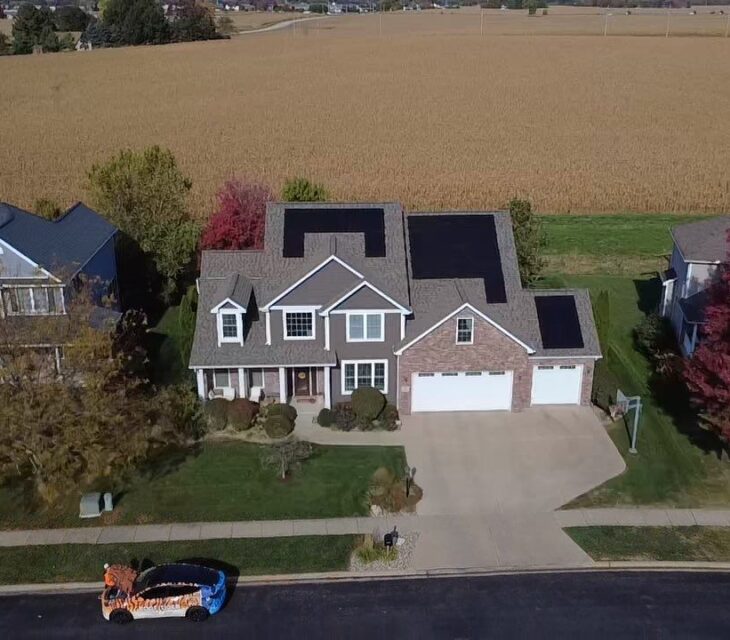
Find the Right Path for Your Home and Goals
There is no single payment option that works best for every homeowner. Solar Panther can help you compare the choices using your actual electricity use, property and priorities.
Purchase Your System
Purchasing solar outright eliminates monthly loan or lease payments and may provide the greatest potential for long-term savings. It also requires the largest upfront investment.
Purchasing may make sense if you want to own your solar equipment, have funds available for the upfront cost, plan to remain in your home long enough to realize the potential long-term value, or prefer not to take on a monthly solar payment.
Finance Your Purchase
Solar financing allows you to own your system while spreading its cost across a series of monthly payments. Available interest rates, payment amounts and loan terms depend on the lender, program and applicant qualifications.
Financing may make sense if you want the benefits of system ownership, prefer to preserve cash rather than pay the full cost upfront, want a more manageable monthly payment, or are comfortable taking on a longer-term financial obligation.
Lease Your System
A solar lease may allow you to use solar energy without purchasing the equipment. Depending on the program, leasing may offer an opportunity for more immediate monthly savings, although the system is owned by the leasing provider.
Leasing may make sense if you want to explore solar without purchasing a system, are focused on potential near-term monthly savings, prefer an option with a lower upfront financial commitment, or understand how the lease could affect a future home sale.
Continue With the Utility
Sometimes, remaining with the utility is the most sensible option. If the property, energy use, available terms or anticipated time in the home does not support going solar, we believe you should know that before making a commitment.
Solar Panther’s job is to help you compare the options, not push you toward one particular answer.
Request Your Solar AnalysisSolar Financing Starts With the Numbers
Before discussing payment options, we begin by learning about your home and how you use electricity. That allows us to develop a system recommendation and evaluate the financial paths using information specific to you.
Our analysis may consider:
- Your current and historical electricity use
- Your utility rate and monthly energy expenses
- Roof condition, orientation and available space
- Shading and estimated solar production
- Your budget and preferred monthly payment range
- Your short- and long-term financial goals
- How long you expect to remain in the home
- Current financing or leasing terms available to you
We’ll then explain the costs, estimated production and potential tradeoffs so you can make an informed decision.
Financing That Fits the Complete Solar Project
Solar financing should be evaluated as part of the full project — not separately from system design, installation and long-term service.
Solar Panther helps coordinate the process from the initial analysis through system activation. Depending on your project, that may include:
- Solar system design
- Engineering
- Permitting
- Equipment and installation
- Utility interconnection
- Applicable incentive paperwork
- System monitoring and ongoing support
Because Solar Panther is backed by Roof Tiger, our team can also evaluate the roofing system beneath the panels. If roofing work is needed before solar installation, we can help determine how the projects should be coordinated.
Understand the Terms Before You Commit
Monthly payment is only one part of comparing solar financing options. Before signing an agreement, homeowners should understand the complete financial structure.
Important details may include:
- Interest rate or annual percentage rate
- Loan or lease term
- Initial and future payment amounts
- Dealer or financing fees
- Early payoff terms
- Ownership of the solar equipment
- Maintenance and service responsibilities
- Available warranties
- Requirements if the home is sold
- Assumptions involving incentives or tax benefits
Solar Panther will help explain the project and available payment paths. Review all lender or leasing documents carefully, and consult an appropriate financial or tax professional when deciding how a program fits your individual circumstances.
Find Out How Much Solar Could Save You With a Free Custom Quote.
Financing FAQs
Can I Finance a Solar System?
Financing options may be available for qualified homeowners who want to own their solar systems without paying the entire cost upfront. Terms, rates, fees and approval requirements depend on the financing provider and applicant qualifications.
What Is the Difference Between Financing and Leasing Solar?
When you finance a solar system, you generally own the equipment and make payments toward the purchase. With a solar lease, the leasing provider typically owns the system and you pay for its use under the terms of the agreement.
Ownership, maintenance responsibilities, incentives, home-sale requirements and long-term financial outcomes can differ. Solar Panther will help you understand how the available options compare.
Is Solar Financing Available With No Money Down?
Some programs may offer options with little or no upfront payment for qualified applicants. Availability depends on the provider, credit approval and current program terms. Review the full cost of financing — not only the initial payment — before deciding.
Will My Solar Payment Replace My Electric Bill?
Not exactly. Most homeowners remain connected to the utility and may continue receiving an electric bill after installing solar. Your total monthly expenses will depend on system production, household electricity use, utility charges and the terms of your solar loan or lease.
We’ll help you look at these expenses together rather than treating the solar payment and utility bill as unrelated costs.
Will Applying Affect My Credit?
That depends on the financing provider and the stage of the application. A lender may use a soft or hard credit inquiry when determining eligibility. The application should clearly disclose which type of inquiry will be performed before you authorize it.
Can I Pay Off My Solar Loan Early?
Early-payment policies depend on the lender and loan agreement. Some programs may allow early payoff without a penalty, but homeowners should verify this in the official financing documents before signing.
What Happens to My Financing if I Sell My Home?
The answer depends on whether you purchased, financed or leased the system and on the terms of your agreement. A financed system may need to be paid off or otherwise addressed during the sale. A lease may include requirements for transferring the agreement to a qualified buyer.
If you expect to sell your home in the foreseeable future, include that in the initial solar conversation.
Are Solar Incentives Included in the Financing Estimate?
Solar proposals may show incentives or tax benefits that could reduce the system’s effective cost, but eligibility is not automatic. Programs and tax rules can also change. Ask which incentives are being assumed, when they may be received and whether the financing structure depends on applying those funds to the balance.
Solar Panther can provide information about potentially applicable programs, but homeowners should consult a qualified tax professional regarding eligibility and individual tax consequences.
How Do I Get Started?
Begin with a personalized solar analysis. Solar Panther will review your property, electricity use and goals, then help you compare remaining with the utility, purchasing, financing and leasing. If you decide to move forward with financing, we’ll explain how to complete the appropriate application.