

Solar Installation
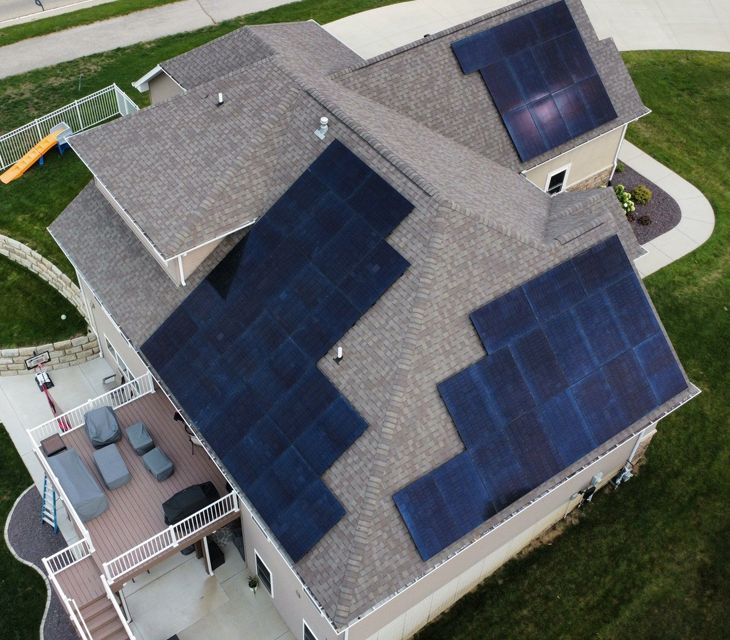
Solar Designed Around Your Home, Energy Use, and Goals
Going solar is a big decision, but understanding your options shouldn’t feel overwhelming. It’s why you need the right solar installation team on your side.
Solar Panther helps Central Illinois homeowners evaluate solar using information specific to their homes and households. We look at your electricity use, property, roof, budget and long-term goals before recommending a system — or recommending solar at all.
If the numbers make sense and you choose to move forward, our local team coordinates the project from system design and engineering through installation, utility interconnection and activation. We explain the process in plain language, keep you informed and remain available after your system begins producing.
No predetermined sales pitch. No oversized system designed around someone else’s priorities. Just an honest solar analysis and a solution built around you.
First, Let’s Find Out if Solar Makes Sense
A solar installation should begin with more than a satellite image and a quick estimate. Before making a recommendation, Solar Panther takes time to understand how your household uses electricity and what you want solar to accomplish.
Our analysis considers:
- Current and historical electricity use
- Utility rates and monthly energy expenses
- Roof age and condition
- Roof orientation and available installation space
- Trees, structures and other sources of shade
- Estimated solar production
- Household energy needs that may change in the future
- Your budget and preferred payment approach
- How long you expect to remain in the home
- Current utility requirements and applicable solar programs
We then help you compare the available paths, which may include purchasing a system, financing the purchase, exploring a solar lease or remaining with the utility.
Sometimes solar is a strong fit. Sometimes the property, energy use, available terms or homeowner’s timeline makes another choice more sensible. Either way, you deserve to understand the numbers before making a long-term commitment.
Rooftop Solar Installation
Rooftop solar allows homeowners to generate electricity using an area of the property that might otherwise go unused. When the roof has adequate sunlight, usable space and sufficient remaining life, it may provide an effective location for a residential solar system. Solar Panther evaluates the roof before designing the array.
We consider:
- Roof condition and estimated remaining service life
- Roofing material
- Structural considerations
- Roof pitch and orientation
- Available installation area
- Shading throughout the day and year
- Panel layout and equipment placement
- The appearance of the finished system
The goal isn’t to fit the greatest possible number of panels on the roof. It is to develop a clean, appropriately sized system that supports your household’s projected energy needs while protecting the roofing system beneath it.
Ground-Mounted Solar
Not every solar system needs to be installed on a roof. For qualifying properties with sufficient land and sun exposure, a ground-mounted system may provide another way to generate solar energy.
Ground-mounted solar can offer greater flexibility in panel orientation and placement because the system is not limited by the size, pitch or direction of the roof.
Ground Mounts are great when:
- The roof has limited usable space
- A significant portion of the roof is shaded
- The roof faces an unfavorable direction
- The homeowner wants to preserve the roofline
- The property has an open, sunny area
- The household’s energy needs require more panels than the roof can accommodate
Ground-mounted systems also involve considerations that rooftop systems may not, including land availability, soil conditions, trenching, setbacks, local requirements and the distance between the array and the home’s electrical equipment.
Solar Panther can evaluate the property and help determine whether rooftop solar, ground-mounted solar or another approach is the better fit.
Your System Should Fit the Way You Use Energy
Two similar homes can have very different electricity needs. Household size, heating and cooling equipment, electric vehicles, appliances, work-from-home schedules and future plans can all affect consumption.
That is why Solar Panther designs each system around the homeowner rather than relying on a standard package.
Your solar design may account for:
Energy Consumption
We use available utility information to understand how much electricity the household uses and how that consumption changes throughout the year.
Solar Production
We estimate how factors such as sunlight, shading, orientation, panel placement and system equipment may influence production.
Roof and Property Conditions
We evaluate the available installation area and identify physical or structural considerations that may affect the project.
Equipment Selection
Panels, inverters, microinverters, mounting equipment and monitoring technology are selected as part of the complete system, not as isolated products.
Future Energy Needs
If you expect to add an electric vehicle, finish part of the home, install new mechanical equipment or make another energy-intensive change, tell us during the analysis. Those plans may affect the recommendation.
Financial Priorities
The right design should make sense alongside the way you plan to pay for the system, the potential monthly costs and the length of time you expect to own the home.
Before you move forward, we explain the proposed system, anticipated production, project costs and important assumptions so you can make a more informed decision.
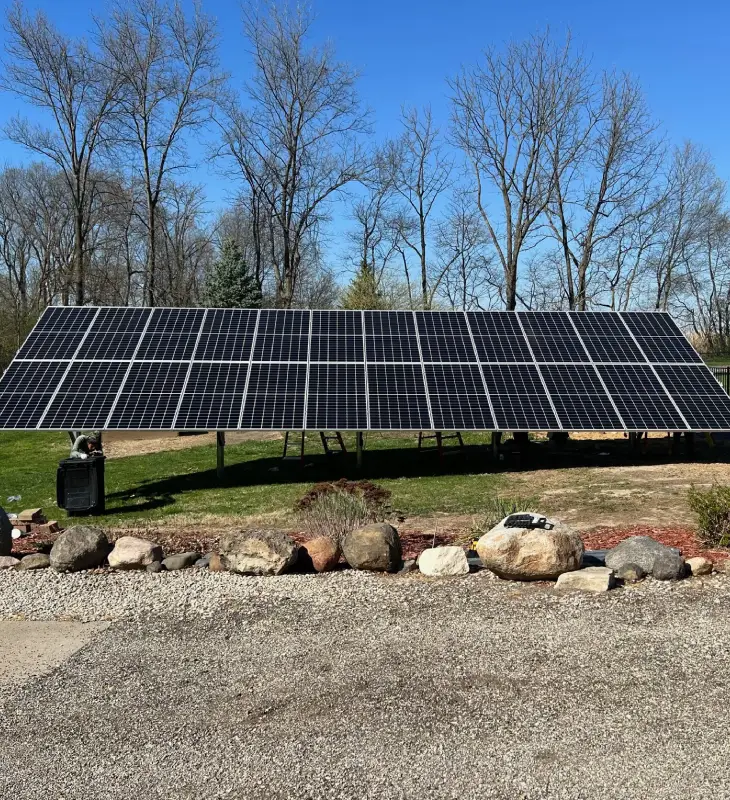
Ground- Mounted Panels
One Local Team to Keep the Project Moving
Installing solar involves much more than attaching panels to a roof. A project may require design work, engineering, permits, inspections, utility coordination and program documentation before the system can be activated.
Solar Panther helps coordinate the process from beginning to end.
Property and Energy Evaluation
We gather information about the home, roof or installation area, electricity use and homeowner goals.
System Design
The proposed array is developed around available space, expected solar exposure and projected energy needs.
Roofing Evaluation
For rooftop systems, we examine the condition of the roof and identify work that may need to be completed before installation.
Engineering
The project is reviewed for applicable structural and electrical requirements.
Permitting
Solar Panther helps prepare and submit the documentation required by the local permitting authority.
Equipment and Installation
We coordinate the solar panels, inverters, racking, electrical components and other equipment included in the approved design.
Utility Interconnection
We work through the applicable utility process so the system can be properly connected to the electrical grid.
Inspections
The completed installation must satisfy applicable local and utility requirements before activation.
Incentive Documentation
Solar Panther helps coordinate applicable project paperwork for qualifying Illinois solar programs. Program availability, approval, value and timing are not guaranteed.
System Activation
Once the necessary inspections and utility requirements are complete, the system can receive Permission to Operate and begin normal operation.
Monitoring and Support
We help you understand how to monitor system production and remain available when questions or service needs arise.
Your Solar Decision Should Start With Clear Answers
You don’t need to know how many panels you need, which equipment to choose or how you want to pay before contacting us.
Start by telling Solar Panther about your home, electricity use and goals. We’ll help you understand the numbers, compare the options and decide whether solar makes sense for you.
Stop Guessing. Start Saving
Find Out How Much Solar Could Save You With a Free Custom Quote.
The Panther Process
Review Your Roof and Energy Use
We provide a full roof assessment & determine panel placement (roof mount or ground mount). From there we examine your electricity usage, property, goals, budget and anticipated time in the home.
Compare your options
We walk you through staying with the utility, leasing solar and purchasing a system so you can understand the potential costs and benefits of each.
Design and Engineer Your System
If solar is the right fit, our team develops a system designed around your property and actual energy needs.
Handle Permits and Approvals
Solar Panther coordinates engineering, permitting, utility requirements and applicable incentive paperwork.
Installs your Solar system
Our local installation team completes the work with careful attention to your roof, electrical system and property.
Connect and Activate
We coordinate utility interconnection and help move the system toward Permission to Operate.
Monitor & Support
Our relationship doesn’t end when the panels are installed. We monitor, service and stand behind the systems we install.
Questions? Answered.
How Do I Know if My Home Is a Good Candidate for Solar?
Available sunlight, roof condition, orientation, shading, usable space, electricity consumption and your long-term plans can all affect whether solar makes sense. Solar Panther evaluates these factors before recommending a system.
Does My Roof Need to Be Replaced Before Installing Solar?
Not necessarily. However, the roof should have sufficient remaining life to support the solar system for years to come. If it is nearing replacement, addressing the roof first may help avoid removing and reinstalling the panels prematurely.
How Is the Size of My Solar System Determined?
System size is influenced by your electricity use, available installation area, sunlight, shading, equipment, utility requirements and project goals. Solar Panther uses this information to develop an appropriately sized recommendation.
Can Solar Be Installed Somewhere Other Than My Roof?
Possibly. A ground-mounted system may be an option for properties with sufficient open land and appropriate site conditions. Local requirements, setbacks, trenching and system placement must also be considered.
How Long Does Solar Installation Take?
The physical installation may be only one part of the overall timeline. Design, engineering, permits, equipment availability, inspections, utility interconnection and program paperwork can all affect how long the complete project takes. Solar Panther will explain the anticipated schedule for your specific installation.
Will My Solar System Work During a Power Outage?
A standard grid-connected solar system generally shuts down during an outage to protect utility workers and electrical equipment. Continuing to power parts of the home during an outage typically requires compatible battery storage and additional equipment. Solar Panther should confirm battery availability before this answer is published.
Will Solar Eliminate My Electric Bill?
Not necessarily. Most homeowners remain connected to the grid and may continue paying fixed charges, taxes, fees or charges for electricity the system does not produce. Results vary based on system production, household use and the utility’s current policies.
Does Solar Panther Handle Permits and Utility Paperwork?
Solar Panther helps coordinate applicable engineering, permits, inspections, interconnection applications and qualifying incentive paperwork. Requirements and timing vary by property, municipality, utility and program.
Can You Install Solar if My Roof Also Needs Work?
Yes. Because Solar Panther is backed by Roof Tiger, we can evaluate both the roof and solar project and coordinate qualifying roofing work before the panels are installed.
What Happens After the Panels Are Installed?
After physical installation, the project may still require local inspection, utility review and Permission to Operate. Once those requirements are complete, the system can be activated for normal operation.
Can I Monitor How Much Electricity My System Produces?
Yes. Compatible solar systems include a monitoring platform that allows homeowners to review production and identify potential performance changes. Solar Panther helps customers understand the monitoring tools included with their systems.
Who Do I Call if the System Needs Service Later?
Call Solar Panther. We service the systems we install and can also evaluate many systems installed by other companies, including systems whose original installer is no longer available.